

Have you ever heard of quiet hiking? It ties in great with the beloved “Silence is Golden” rule, but for hikers. Many wildlife animals have excellent hearing for obvious reasons, predators. Just because McDonalds doesn’t serve spicy McSquirrel sandwiches on the value menu, doesn’t mean animals, like squirrels, shouldn’t prepare for humans; another Animal Kingdom APEX predator.
When hiking, if one wishes to truly enjoy the wildlife you want to see, exercising silence just may give you the experience you desire.
What is quiet hiking?
Quiet hiking, or “mindful walking” can be defined as a, “practice of moving through nature with minimal noise and distraction. It is a form of active meditation that focuses on heightened awareness and a deeper connection to the natural world rather than just reaching a destination.” (Google’s AI tool)
Wildlife are on a constant alert in and out of their natural habitat. Hikers don’t make this stress any easier. Hiking quietly not only allows you to open your other senses to nature, but it destresses the wildlife so that they may feel some ease in their own homes. A wild hare has many predators. Focusing on your loud movements and chats through the trails may cause it to miss vital sounds which can be heard by other predators.
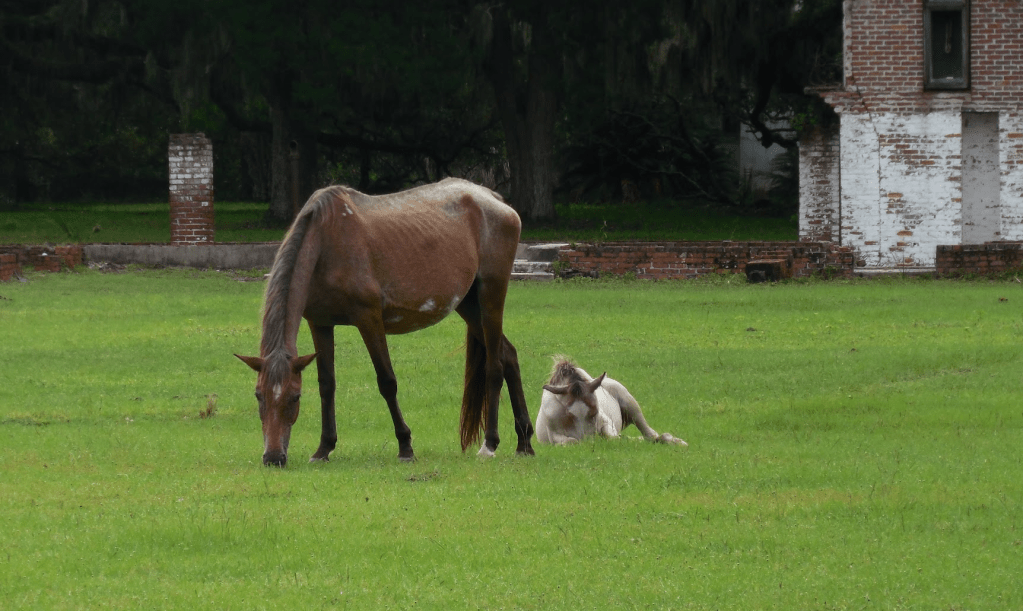
A perfect example would be my recent trip to Cumberland Island National Seashore. When you visit the island, you will often see a common trend, most visitors will remain silent as they tip toe around the wild horses to get their photos. Also along the trails, most hikers will have low tone conversations amongst each other. If you pay attention, wildlife are more active in the silence. They continue about their lives when there is nothing to be stressed about.
Other ways to experience wildlife gently
It is highly advised to stay away from wildlife on almost any trail you go on. If you wish to see them, you must keep your distance to prevent spooking them. As long as your eyes are working, there is no need to be so close. Especially to wildlife mammals who are currently caring for their young.
One bad apple can spoil the rest, call out people who are breaking the rules. A continuous wave of tourists breaking the rules will lead to more strict rules which will prevent everyone from experiencing wildlife more. We all deserve to enjoy our trips, let’s hold others accountable for their wrong actions.
Silent hiking (or mindful walking) is beneficial in so many ways. It is extremely beneficial when everyone does it together. Remember as a hiker, you are in the wildlife’s home and natural habitat. Respect their home as you would expect your guests to do for you. Keeping your conversations low, keeping your footprints soft, and keeping your distance, will make everyone’s experience better.


 The Pink Wanderer
Leave a comment